|
|
|
🧺 1. What's Fabric Softener?
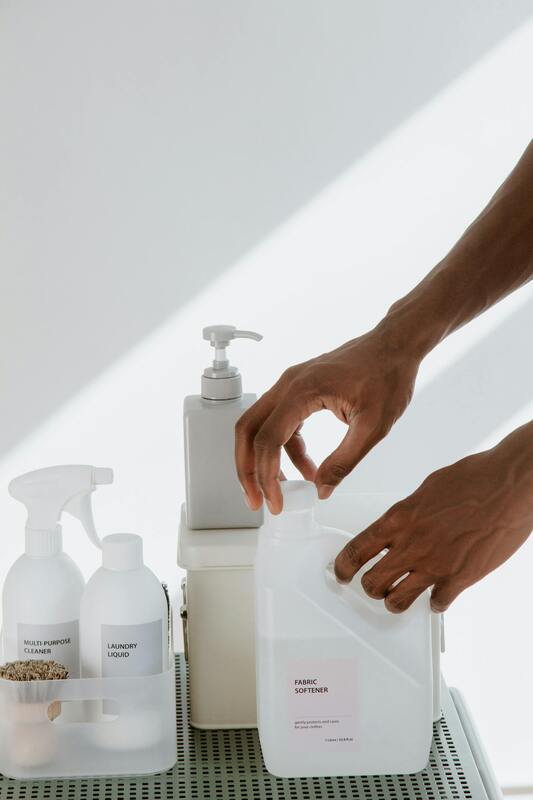
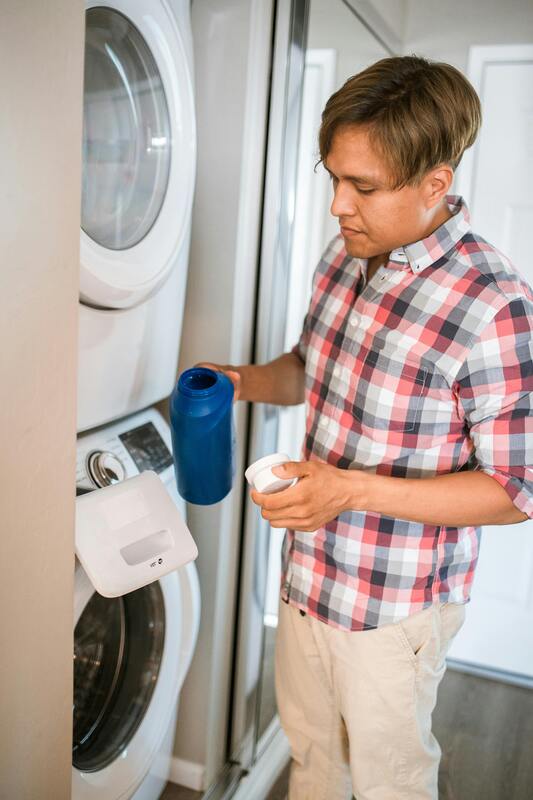
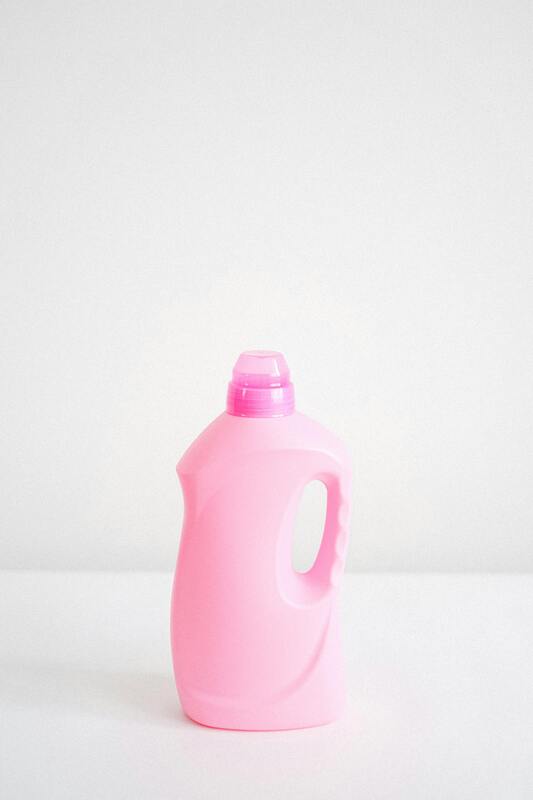
Fabric softener is a laundry thingy that makes your clothes feel nice and smooth. It cuts down on static and makes them smell good. You toss it in when the machine is rinsing, or you can use dryer sheets or balls in the dryer.
⚗️ 2. How It All Works
Fabric softeners put a thin coat of slippery stuff on your clothes that:
Makes the fibers slide against each other easier → feels softer.
Stops static cling → keeps clothes from sticking together.
Smooths things out → less wrinkles, easier to iron.
Adds a good smell → clothes smell fresh after washing.
The main stuff inside:
Cationic surfactants (fancy ammonium stuff): sticks to the fibers in your clothes.
Fatty acids or esters: makes things slippery.
Silicones or emulsifiers: makes clothes feel smoother and spread things out.
Smells and preservatives: makes it smell nice and last longer on the shelf.
🧴 3. Types of Fabric Softeners
Type | What it Is | How to use
------- | -------- | --------
Liquid softener | The usual stuff; you add it to the washer when it’s rinsing. | Mix it with water in the dispenser.
Dryer sheets | Thin sheets with softener on them. | You put it in the dryer with your clothes.
Dryer balls (you can reuse them) | Balls made of wool or rubber that soften up your clothes. | A good choice for the planet; no yucky chemicals.
Scent boosters for washing | Little beads or crystals that make your clothes smell good, but don’t really soften them. | Just toss 'em in the drum.
🧪 4. Good Stuff
Clothes and towels that feel softer and smoother
Less static cling
Easier to iron
Smells nice
Helps clothes last longer by cutting down on friction
⚠️ 5. Not-So-Good Stuff
How it works on clothes:
Can make towels, microfiber, and workout clothes not soak up water as much.
Might leave gunk on your clothes and washing machine.
Can mess with how well kids' pajamas or treated stuff resists fire.
Your health/the planet:
Some stuff in it can make sensitive skin mad or give you allergies.
Smells can set off asthma or headaches.
Chemicals can mess up the water and hurt fish.
🌱 6. Ways to Be Eco-Friendly
White vinegar (1/2 cup in the rinse): softens clothes and gets rid of smells.
Baking soda (1/4 cup in the wash): softens and cleans.
Wool dryer balls: you can use them over and over, no chemicals, and they make clothes dry faster.
Epsom salt + essential oils: make your own softener (add a smell if you want).
🧼 7. Tips
If you're using liquid, mix it with water first — so it doesn't stain.
Don't pour it right on your clothes.
Use the right amount — too much can make clothes feel greasy or stiff.
Don't use it on:
Microfiber cloths
Towels (they won't soak up water)
Workout clothes (it messes with how they pull sweat away from your body)
Clothes that resist fire
♻️ 8. How to Keep It
Keep it in a cool, dry place, out of the sun.
Shake it up before you use it (liquids can separate).
How long it lasts: usually 12–24 months.
🌊 9. Think About the Planet
Normal softeners have stuff that doesn't break down in nature and fake smells, which can:
Build up in lakes and rivers
Hurt fish and tiny creatures
Make more plastic trash (bottles, sheets)
If you pick stuff that's made from plants, breaks down easily, doesn't have a smell, or use natural stuff — you won't hurt the planet as much.
🧠 10. Quick Look
Thing | Normal | Natural/DIY
------- | -------- | --------
Softness | Great | Okay to good
Less static | Great | Good (if you use dryer balls)
Smell | Strong/fake | Light/natural
How it hurts the planet | A lot | Not much
Skin problems | Maybe | Not really
Cost | Medium | Cheap
Fabric softener is a laundry thingy that makes your clothes feel nice and smooth. It cuts down on static and makes them smell good. You toss it in when the machine is rinsing, or you can use dryer sheets or balls in the dryer.
⚗️ 2. How It All Works
Fabric softeners put a thin coat of slippery stuff on your clothes that:
Makes the fibers slide against each other easier → feels softer.
Stops static cling → keeps clothes from sticking together.
Smooths things out → less wrinkles, easier to iron.
Adds a good smell → clothes smell fresh after washing.
The main stuff inside:
Cationic surfactants (fancy ammonium stuff): sticks to the fibers in your clothes.
Fatty acids or esters: makes things slippery.
Silicones or emulsifiers: makes clothes feel smoother and spread things out.
Smells and preservatives: makes it smell nice and last longer on the shelf.
🧴 3. Types of Fabric Softeners
Type | What it Is | How to use
------- | -------- | --------
Liquid softener | The usual stuff; you add it to the washer when it’s rinsing. | Mix it with water in the dispenser.
Dryer sheets | Thin sheets with softener on them. | You put it in the dryer with your clothes.
Dryer balls (you can reuse them) | Balls made of wool or rubber that soften up your clothes. | A good choice for the planet; no yucky chemicals.
Scent boosters for washing | Little beads or crystals that make your clothes smell good, but don’t really soften them. | Just toss 'em in the drum.
🧪 4. Good Stuff
Clothes and towels that feel softer and smoother
Less static cling
Easier to iron
Smells nice
Helps clothes last longer by cutting down on friction
⚠️ 5. Not-So-Good Stuff
How it works on clothes:
Can make towels, microfiber, and workout clothes not soak up water as much.
Might leave gunk on your clothes and washing machine.
Can mess with how well kids' pajamas or treated stuff resists fire.
Your health/the planet:
Some stuff in it can make sensitive skin mad or give you allergies.
Smells can set off asthma or headaches.
Chemicals can mess up the water and hurt fish.
🌱 6. Ways to Be Eco-Friendly
White vinegar (1/2 cup in the rinse): softens clothes and gets rid of smells.
Baking soda (1/4 cup in the wash): softens and cleans.
Wool dryer balls: you can use them over and over, no chemicals, and they make clothes dry faster.
Epsom salt + essential oils: make your own softener (add a smell if you want).
🧼 7. Tips
If you're using liquid, mix it with water first — so it doesn't stain.
Don't pour it right on your clothes.
Use the right amount — too much can make clothes feel greasy or stiff.
Don't use it on:
Microfiber cloths
Towels (they won't soak up water)
Workout clothes (it messes with how they pull sweat away from your body)
Clothes that resist fire
♻️ 8. How to Keep It
Keep it in a cool, dry place, out of the sun.
Shake it up before you use it (liquids can separate).
How long it lasts: usually 12–24 months.
🌊 9. Think About the Planet
Normal softeners have stuff that doesn't break down in nature and fake smells, which can:
Build up in lakes and rivers
Hurt fish and tiny creatures
Make more plastic trash (bottles, sheets)
If you pick stuff that's made from plants, breaks down easily, doesn't have a smell, or use natural stuff — you won't hurt the planet as much.
🧠 10. Quick Look
Thing | Normal | Natural/DIY
------- | -------- | --------
Softness | Great | Okay to good
Less static | Great | Good (if you use dryer balls)
Smell | Strong/fake | Light/natural
How it hurts the planet | A lot | Not much
Skin problems | Maybe | Not really
Cost | Medium | Cheap